
Show that community work is grounded — not performative
A limited-scope SEAM recognition for a defined community development initiative — reviewed against a pathway grounded in impacted-party engagement, materiality, design, and completed delivery.
What it recognizes
A defined initiative, traceable from context to completed action
The Community Development Seal recognizes a defined community development initiative grounded in impacted-party engagement, informed communication, materiality, initiative design, volunteer delivery, and independent review — within a defined Assessment Scope. The reviewed initiative must show a traceable pathway from community context and impacted-party input to a material issue, a designed initiative, and completed volunteer action. The Seal applies across Buildings + Interiors (construction-phase) and Operations + Maintenance (operating-asset) contexts.
A qualifying initiative should be able to answer five public-facing questions: who may be affected, what they need and value, what issue is material enough to prioritize, what change the initiative intends to create, and what reviewed SEAM pathway supports the Seal claim.
For the generic Seal model — what every Seal is and isn't, how the award works, and how claims are bounded — see SEAM Seal overview.
The Activity pathway
Five steps from context to completed action
A defined SEAM Activity pathway moves an initiative from local context and impacted-party input through materiality, design, and a delivered volunteer event. Each step uses Activities pulled directly from the SEAM Standard.
See all activities on the SEAM Standard01
Build a credible foundation
Document local context, affected groups, engagement approach, and baseline conditions for the reviewed initiative.
Gain a good understanding of the communities likely to be affected by the project by preparing a Community Profile
Establishes the demographic, social, economic, cultural, and historical context for the reviewed initiative.
View on the SEAM Standard →Determine the 'social area of influence' by identifying the likely impacted parties
Defines the people connected to the initiative.
View on the SEAM Standard →Create a reliable, credible, equitable, and efficient impacted party engagement plan
Sets the engagement approach for identified impacted parties.
View on the SEAM Standard →Assemble relevant baseline data for key social issues
Establishes starting conditions for the initiative issue.
View on the SEAM Standard →02
Create transparent, reciprocal engagement
Communicate relevant information about the project and likely impacts. Capture input from impacted parties under the engagement plan.
Fully inform community members about the project and likely impacts
Accessible communication about the project's relevant impacts.
View on the SEAM Standard →Collect feedback from impacted parties
Captures input from impacted parties under the engagement approach.
View on the SEAM Standard →03
Turn input into a reasoned basis for action
Use the SEAM materiality Activity that matches your context to prioritize the issue that should guide the initiative.
Only one materiality Activity applies per initiative: TGa5.1 for construction-phase work (Buildings + Interiors), TGa5.2 for operating-asset work (Operations + Maintenance).
Conduct impacted party materiality assessment during the construction project
Connects a construction-phase initiative to a material issue.
View on the SEAM Standard →Conduct impacted party materiality assessment on the operating asset
Connects an operating-asset initiative to a material issue.
View on the SEAM Standard →04
Design for relevance and sustained value
Link the selected issue to a defined initiative design grounded in impact, equity, ethics, participation, collaboration, and accountability.
05
Demonstrate completed action
Deliver the volunteer event through the project or property team, in line with the reviewed initiative design.
Activity-level requirements, indicators, scoring, and documentation are governed by the SEAM Standard. Read the Standard. Generic determination and public-claim limits for every Seal are on the Seal overview.
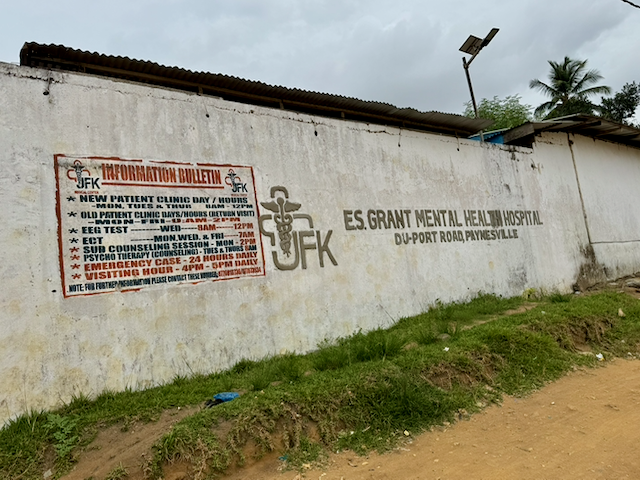
Community Development Seal
per Seal · per Assessment Scope
- Scoped to one defined initiative
- Independent review against the Seal pathway
- Activities count toward full Certification
- Member discount applies
What this Seal stands for
A SEAM Community Development Seal should signify more than participation.
It should signify that a community development initiative was informed by context, shaped by impacted-party input, tied to a material issue, intentionally designed, delivered through volunteer action, and independently reviewed within a defined scope.
Frequently asked
Questions about the Community Development Seal
How is this different from full SEAM Certification?
Full Certification evaluates a whole building across all four pillars. The Community Development Seal is a limited-scope Seal for one defined community development initiative tied to a project or asset. It does not certify the full project, owner, or community-development portfolio.
Can a project earn more than one Community Development Seal?
Yes. A project may pursue more than one Community Development Seal when each initiative independently satisfies the Seal pathway and review requirements. Each Seal applies only to the initiative reviewed.
What is the "Assessment Scope"?
The Assessment Scope defines the boundary of the Seal claim. It identifies the reviewed initiative, project or asset context, applicant, SEAM phase (B+I or O+M), materiality Activity, target population, material issue, partners, review period, and any exclusions.
Does it work for both new construction and existing buildings?
Yes. The Seal applies across Buildings + Interiors (construction-phase) and Operations + Maintenance (operating-asset) contexts. The reviewed initiative uses the materiality Activity that matches its context — TGa5.1 for construction-phase, TGa5.2 for operating-asset.
What disqualifies an initiative from earning the Seal?
The Seal is not awarded when the issue was selected before engagement with impacted parties, when the initiative cannot be tied to a material issue identified through the SEAM pathway, when the volunteer event is disconnected from the reviewed initiative design, when the reviewed pathway is incomplete, or when the claim exceeds the reviewed Assessment Scope.
Does it count toward full Certification later?
Yes. Activities completed for this Seal may carry forward toward future SEAM Certification when the project, phase, reporting period, evidence, and applicable rating system remain aligned with SEAM requirements.